
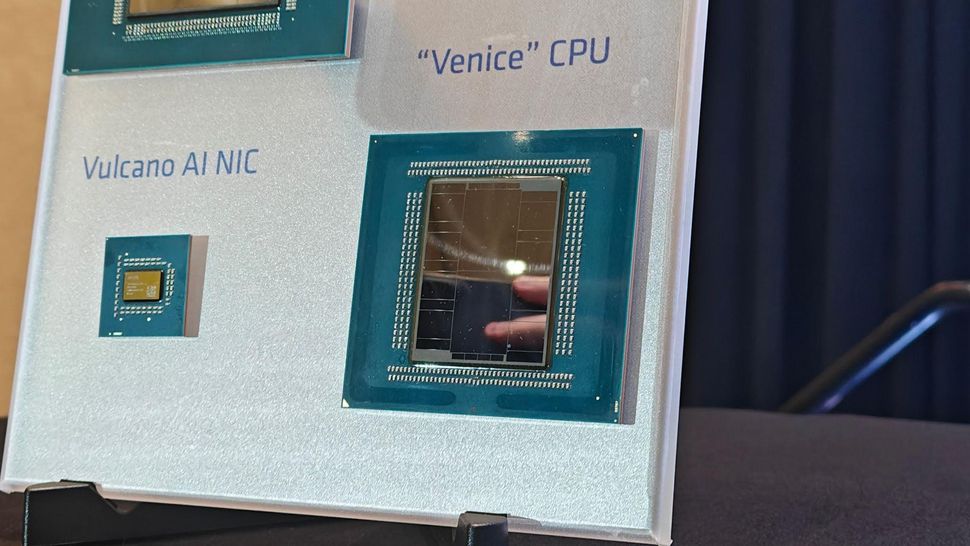
AMD targets Nvidia with first official benchmarks for EPYC ‘Venice’ CPUs — company claims 256-core chip is more than twice as fast as Nvidia Vera, 96-core model 20% faster per-core
Following the launch of AMD’s EPYC ‘Venice’ CPUs in July, AMD extended the performance claims for its upcoming generation of server chips on Friday. The high-level claim hasn’t changed. AMD still says a 96-core, high-frequency Venice chip is around 20% faster than Nvidia’s 88-core Vera in SPEC CPU 2026’s Integer Rate test. However, the company went into far greater detail about the benchmarks in a new white paper.
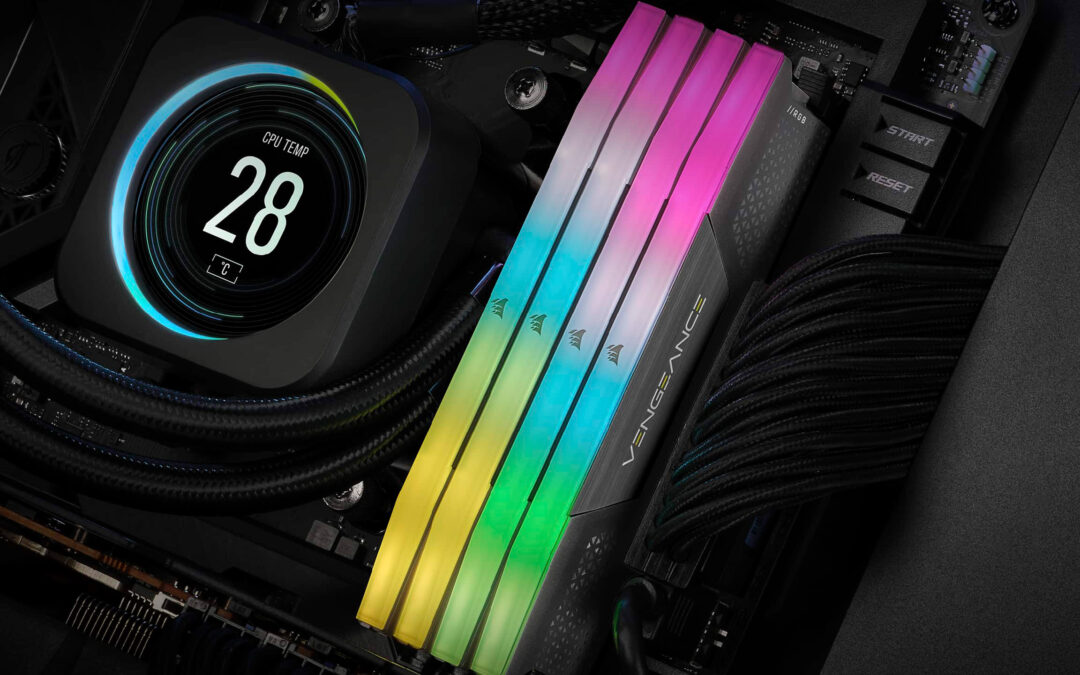
32GB of DDR5 6000 RAM now costs $400 — the latest price hike puts DIY PC building further out of reach than ever before
When it comes to building a gaming PC, DDR5 RAM clocked at speeds of 6,000 MT/s is often touted as the sweet spot for specs. While slower and faster speeds are available, it’s very much the benchmark for both price and performance, which is why it’s noteworthy that this particular configuration now costs $400, a more than 400% increase from the low prices we’ve seen in the past.
Intel commits to 14A mass production in 2028 as its sales rise 25% year-over-year
Intel on Thursday published its financial results for the second quarter of 2026, posting revenue of $16.1 billion — a 25% rise year-over-year — amid high demand for client and data center products. The company also said that due to extraordinary demand for its own CPUs, it will initiate mass production using its 14A (1.4nm-class) fabrication technology in 2028, which is in line with TSMC’s plans for its A14 process technology.
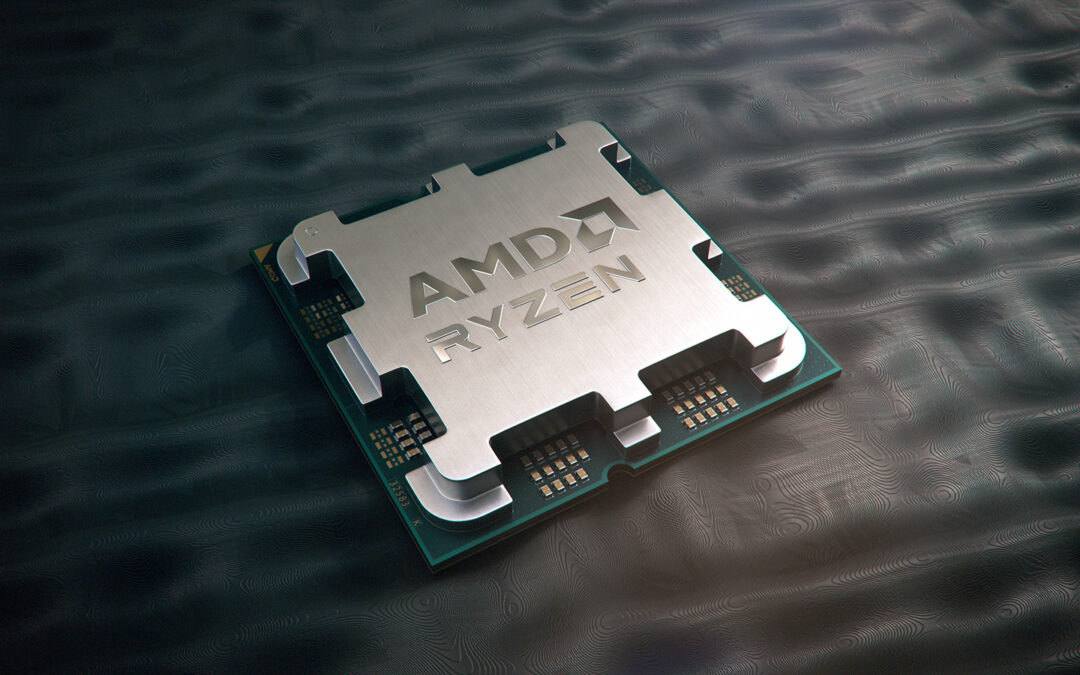
AMD silently removes memory encryption from consumer Ryzen CPUs, leaving users unaware that they may be vulnerable — security feature vanishes after newer AGESA firmware, AMD engineers go radio silent when pressed about the change
According to a report by Ars Technica, AMD has quietly stripped a critical security feature from its lower-end CPUs, leaving unaware users potentially vulnerable to physical attacks. Following a months-long investigation tracked on GitHub, Ben Kilpatrick confirmed that the Transparent Secure Memory Encryption (TSME) feature — which protects CPUs against physical exploits that siphon data from connected memory chips — was suddenly no longer available on AMD CPUs outside the company’s Pro lineup.
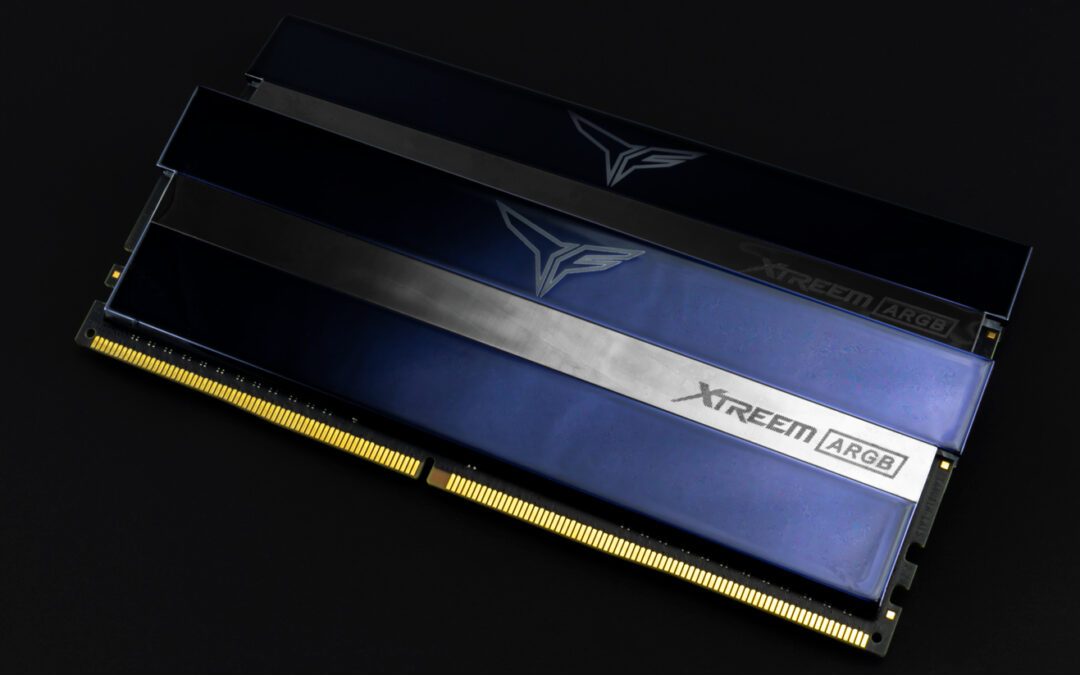
Team Group agrees to $1.1 million DRAM settlement in another false advertising lawsuit — claimed advertised memory speeds required BIOS tweaks and overclocking settings
PC memory manufacturer Team Group has agreed to settle a class action lawsuit to the tune of $1.1 million over allegations it advertised deceptive speeds for its DDR3, DDR4, and DDR5 memory products purchased in the U.S. between May 3, 2020, and April 8, 2026. Similar to a recent case involving G.Skill, the lawsuit claims that consumers were led to believe that the advertised speeds on Team Group’s memory kits could be achieved out of the box without requiring BIOS tweaks or overclocking profiles.
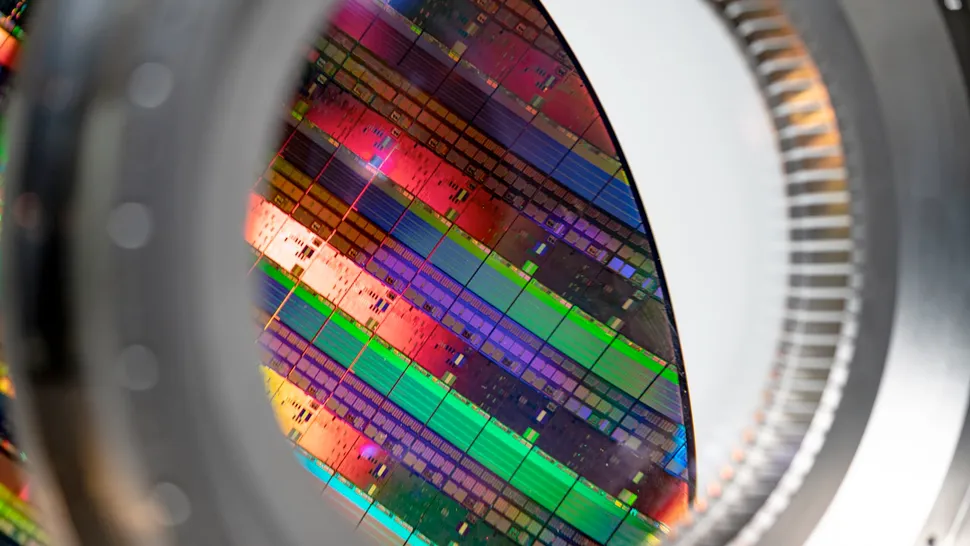
New tech can see a CPU’s transistors in action — terahertz radiation can potentially steal data as a chip is running
Researchers at Adelaide University have made a discovery that could change the way we test semiconductors for good. As reported by IEEE Spectrum, these researchers have discovered a method of detecting a chip’s transistor activity using terahertz radiation. The process involves using a laboratory tool known as a vector network analyzer or VNA, which generates a microwave signal “with a known frequency and phase.”
Intel Nova Lake CPU teaser lists official support for speedy DDR5-8000 RAM — B960 mini-PC’s upgraded power system signals Nova Lake’s higher power demands
As reported by German news outlet ComputerBase, ECS has unveiled its newly revamped Liva P300 mini-PC, specifically engineered to harness the power of Intel’s upcoming Core Ultra 400 (codenamed Nova Lake) processors. These next-generation chips aim to put Intel back in a position to challenge, and potentially surpass, the best CPUs currently available on the market.
AMD’s future ‘Medusa Halo’ APUs could use LPDDR6 RAM — new leak suggests Ryzen AI MAX 500 series could have 80% more memory bandwidth
Following its well-received family of Strix Halo APUs, AMD will refresh its high-end gaming APU lineup with Gorgon Halo, bringing it up to date with the recently announced Gorgon Point, aka Ryzen AI Max 400, series. The real fun may arrive after that, though, as the true next-gen upgrade will come in the form of “Medusa Halo” sometime in 2027-28.

Samsung refutes claims of ‘80% price hike’ across all memory products — leaks and rumors denied by Samsung PR amidst historic RAM shortages
Samsung was quick to respond this morning when speculators rapidly spread reports of an unprecedented 80% price hike on its entire memory product line. Taiwanese newspaper United Daily News reports that both Samsung and a number of memory module manufacturing partners are claiming that the 80% number is a total fabrication.
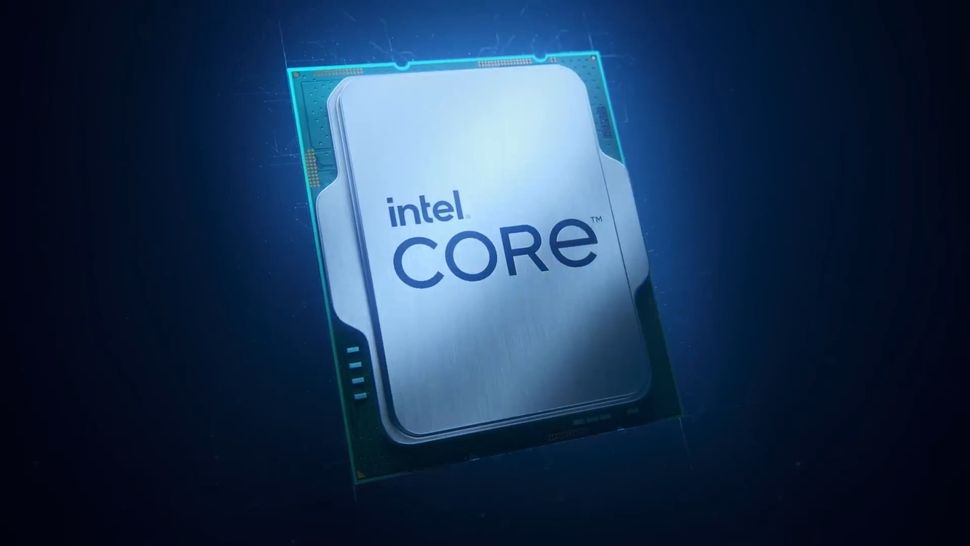
Intel Core Ultra 7 270K Plus and Core Ultra 9 290K Plus spotted at Indian retailer — listings appear to corroborate prior leaks but don’t reveal pricing or new info for upcoming Arrow Lake refresh
As we inch closer to CES 2026 next month, the rumor mill surrounding Intel’s upcoming Arrow Lake refresh churns intensely. Just a few days ago, we covered the Core Ultra 7 270K Plus appearing on Geekbench for the first time, and now that same chip, alongside the rumored flagship Core Ultra 9 290K Plus, has been spotted at a retailer. Obligatory grain-of-salt disclaimer aside, these listings don’t reveal much anyway.